

When Everything Feels Like Busywork
Daniel Pink on protecting your attention, choosing what matters and staying motivated when the strategy keeps changing.
This week I bring you a conversation that I had last spring with Daniel Pink. Dan embodies so many of the things I care about for Hello Monday. He’s a bestselling author and a longtime guide on motivation and performance, sure. His first episode with us, on how to get the most out of a morning, is one of the best performing episodes I’ve ever released (six years later, still popular). He’s a creative thinker, a writer who conducts life research about the things that matter to many of us including him, and then delivers it. And I think it’s fair to say that over the years, he’s become a friend.
Earlier this spring, I was feeling caught in the busy work loop. You know how it is here…I was getting to Inbox Zero regularly, and felt like I had nothing of value to show for my efforts. Work had begun to feel performative, and I wasn’t proud of the product. So of course I called Dan. He’s spent decades studying how people actually get meaningful things done, and his advice is practical.

🎧 Check us out on LinkedIn, YouTube, Apple Podcasts or Spotify 🎧
That’s what this conversation is. Some episodes invite you to think broadly about a new idea. This one will give you a list of TIPS & TRICKS for how to make the most of your time. It seems on point for the final Monday in July.
Here are a few things we dug into:
— Make an MIT (most important task) and do it first. Sometimes that’s literally the only thing on the list until it’s done.
— Create a to-don’t list: write down what drains you (e.g., “don’t answer email first hour”) and keep it visible and sacred.
— Design for deep focus: word-count goals, Pomodoro sprints, blocking time, removing your phone from the room. Structure beats willpower.
— Use short, regular check-ins (beginning/end of week, midweek pause) to ensure speed isn’t replacing clarity.
— When priorities shift, have a candid conversation with leadership: show your current list and ask what should be deprioritized — it forces choice and accountability.
— Treat regret as data: audit what you regret to reveal what you truly value — foundation, boldness, moral choices, and connection.
There’s another reason I was obsessed with productivity this spring.
As AI scrambles strategic plans at many companies and leads to both frequent lay-offs and restructures, I’ve heard from a ton of listeners who are feeling…well, all the ways you’d expect to feel. BURNED OUT. De-motivated. Kinda crappy. Anxious for more job security. Fed up with working on things that don’t feel like they matter because they’ll probably never be completed.
For many people, this is the state of knowledge work in 2026. Strategy often shifts mid-project. It’s hard to get excited about an outcome when you stop trusting that the outcome will matter to your employer by the time you achieve it. In this context, everything can be perceived as busywork. So how do we manage our time and summon motivation in this context?
We originally recorded this episode for a virtual audience in our In the Room Live studio, and took audience questions. You can hear this sentiment come out in those questions. Someone asked what to do when leadership keeps reprioritizing your work. Dan had some good advice on the topic, some tips for forcing the organization to make trade-offs that shouldn’t fall to you to decide on.
🤓 Worth it….
Who is to blame when AI’s bad call leads to a bad outcome? Product leader Angela McNeal explores this question from the mindset of someone who understands that we can design systems in any way we choose. “The blame question is only unanswerable in systems designed not to answer it.”
Working within an AI group is not grounds to avoid layoff: Amazon cut employees in its artificial general intelligence group this week as part of its ongoing trimming to “focus on core initiatives.”
Why does everything feel so joyless, ask Michèle Mendelssohn and Charlie Tyson in The Guardian. They argue that modern life offers unprecedented luxury, stimulation and self-optimization but little genuine pleasure. Unlike earlier experiences of decadence, in which we prized sensuous experience for its own sake, we now rely on algorithms to convert desire into metrics, consumption and AI-generated numbness. Its remedy? Embodied attention to ordinary, “useless” joys.
“We have inherited the surfaces of decadence – luxury, excess, artifice, bodily display – but have surrendered the fin de siècle’s commitment to pleasure.”
- Michèle Mendelssohn and Charlie Tyson
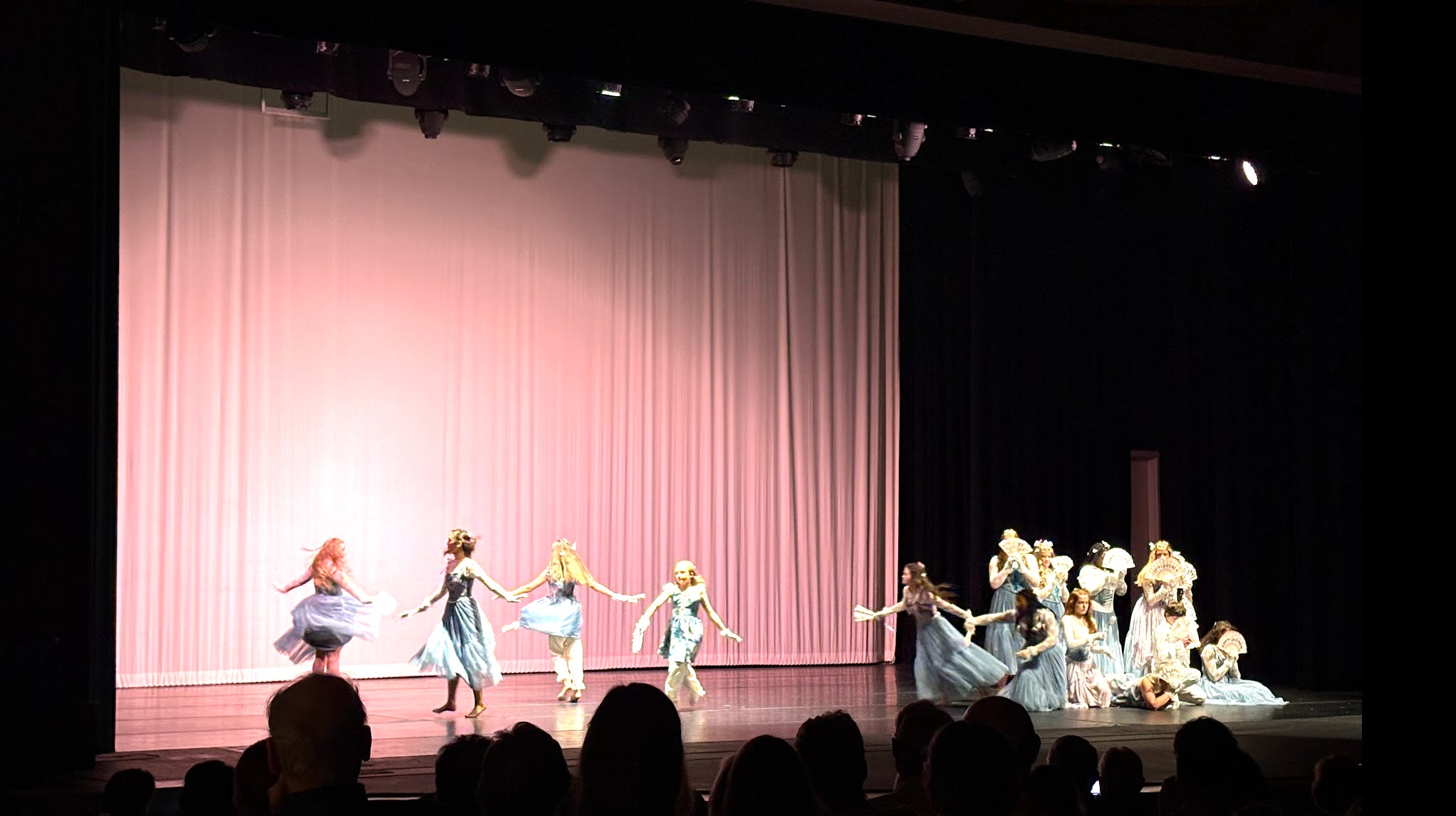
So here’s what pleasure feels like: watching a modern dance performance by the Doniphan Dance Project in small town Mississippi.
What’s this newsletter about again?
I’ve spent 20+ years covering tech from the inside for BusinessWeek, Fortune, and Wired. Currently, I’m on staff at LinkedIn as a senior editor at large. My mission is to close the gap between the people building the future—and those of us living it.

The thing I loved most about this interview, @Jessi Hempel, was when Daniel pushed you to delete IG from your phone - and the pause was loooong. It felt so familar that I laughed out loud. It’s what makes you awesome - you’re one of us.
This tip is especially powerful: “Treat regret as data.” Sometimes we feel too busy to take a moment to pause and reflect. We move on to the next challenge before examining where we fell short and how we could improve.
But in the age of AI, we need to reflect and adapt. It's paradoxically by slowing down and taking the time to learn in the moment, that we grow faster in the long-term.