The Shared Unnecessary Acts That Make Us Feel At Home
Ritual is inefficient by design. That may be why we need it now.
My friend Bruce Feiler has spent years studying life transitions, and tools to navigate them. Some of that work is still reverberating through the conversations I have with other people in the studio. (The term “lifequake,” which Bruce introduced in his 2020 book “Life Is in the Transitions: Mastering Change at Any Age” still finds its way into our work more than half a decade later.)
Here’s his latest idea: As we navigate change, good self-care (paying attention to our own lifequakes) is not enough. We need group care. We need rituals.
🎧 Check us out on LinkedIn, YouTube, Apple Podcasts or Spotify 🎧
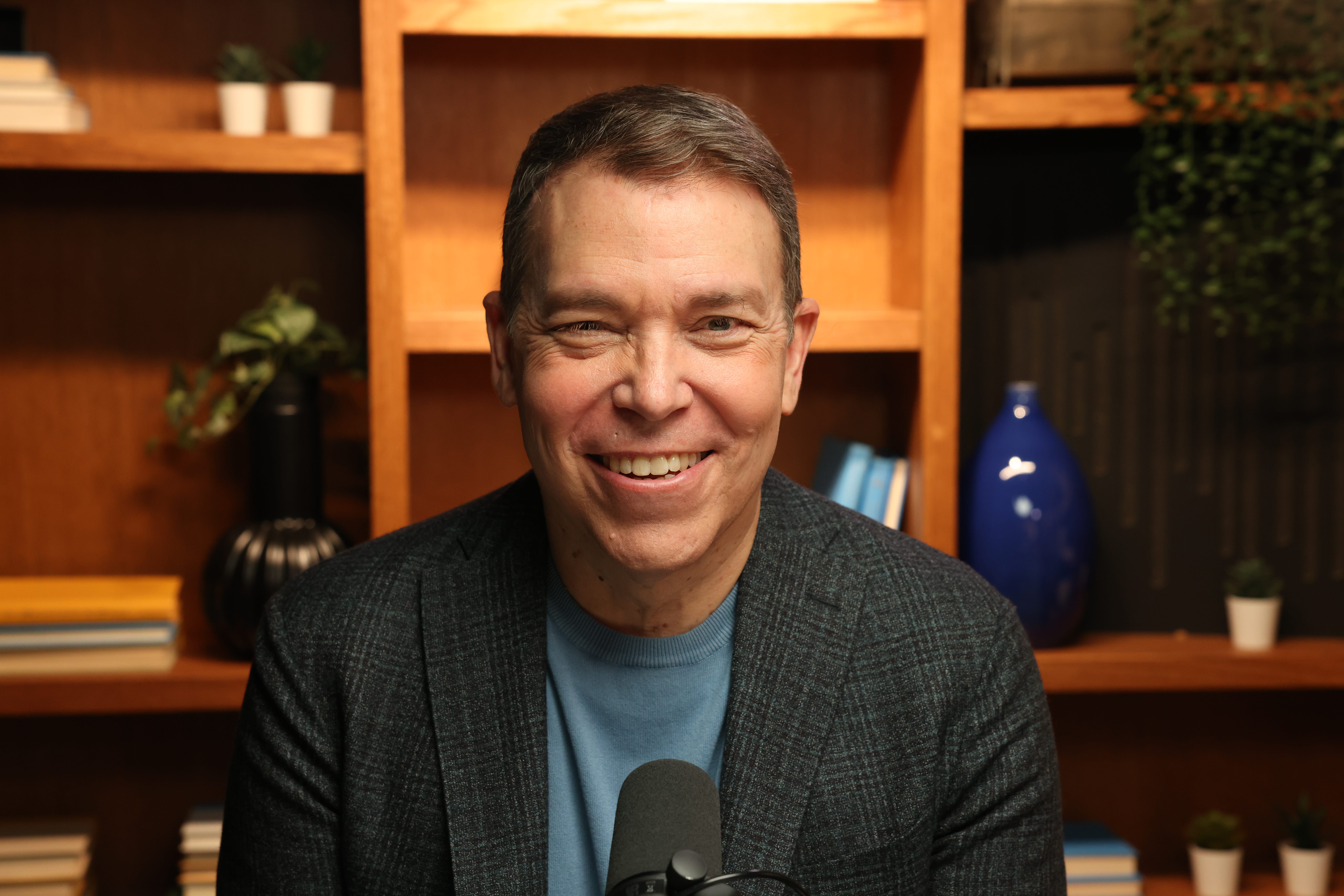
This week, Bruce Feiler joins Hello Monday to share what he learned about rituals from traveling the world to partake in them.
We need rituals
That idea landed hard for me when Bruce came into the Hello Monday studio to talk about his new book, A Time to Gather. Bruce argues that ritual is not some outdated religious artifact. It’s one of humanity’s oldest technologies for helping groups survive change.
Right now, we are living through enormous change. You know what I’m talking about: AI is reshaping work. Institutions feel shakier than they once did. Loneliness is widespread. Many of the places we once found belonging — churches, civic organizations, even social media — no longer hold us in the same way.
Bruce’s insight is that humans have always responded to instability with ritual. A ritual, as he defines it, is an intentional act that tells us: this matters. You matter. We belong to each other.
This feels right in line with my instincts about the downsides of efficiency. We’ve spent years optimizing for efficiency. Often, we’ve optimized the humanity right out of everything, even ourselves. Ritual is, by definition, inefficient. It’s unnecessary. You don’t need to light a candle before dinner, or say a blessing in order to eat. You don’t need to gather colleagues into a circle before a podcast recording. (True story. We did it.) You don’t need to pause and mark a transition. But those are often the moments when we actually feel connected.
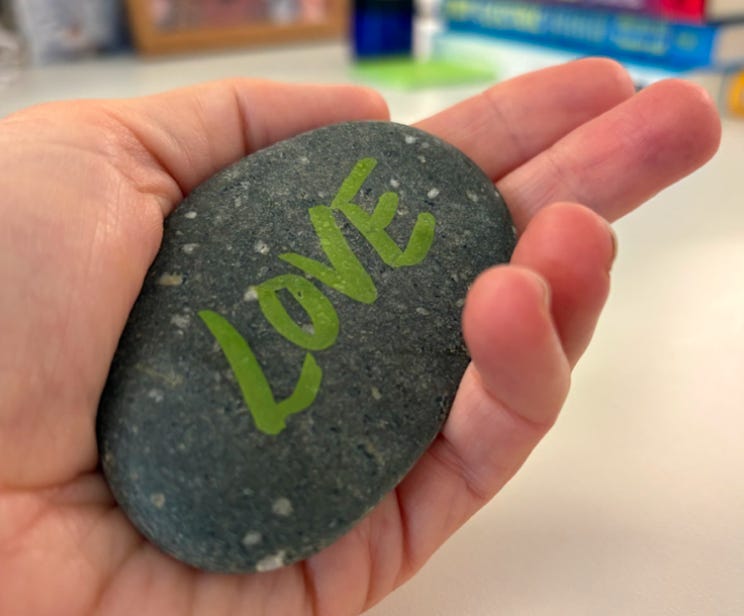
Bruce led a small ritual with a few members of our team before we started recording. It took about ten minutes. He pulled in the camera guy, the editorial assistant who had started that week, our producer who’d just returned from medical leave. We used the studio, squeezing in beneath the lights. And it felt kind of hokey while we were getting started. It involved lighting faux candles, writing our hopes on rocks, sharing things with each other that we usually keep for ourselves. Afterward, everyone felt different. More grounded. I still have my rock….
Bruce’s new book feels important to me right now. However the future emerges, it will be shaped by the moments we choose to create together. This is a quick primer on exactly how we create those moments in any environment:
🤓 Worth it….
Too Much Is Happening Too Fast (Charlie Warzel/The Atlantic)
The AI boom has created a frenetic online discourse where evangelists constantly hype each new development as revolutionary, creating narratives that change so rapidly that even AI insiders joke about being nostalgic for the “simpler” times of just two years ago. As Charlie writes, “One of AI’s enduring cultural impacts is to make people feel like they’re losing their mind.”
Also of note:
AI is super duper very unpopular among everyone except the people who really super love it.
And: People are speaking to each other less. ( Jamil Zaki/LinkedIn)
🤓 Double Worth it….
The Era of AI Malaise (Mat Honan/MIT Technology Review)
There are no words for what AI is doing, yet somehow Mat Honan has found the words. The exact right words. Read this. You will feel seen. You will feel better. You will feel certain that an LLM did not write it. Well, almost certain. As one example: “It’s…embarrassing to admit you’ve used an AI to do what it was designed to do. Sort of like being on a GLP-1. No one wants to admit it, but why is everyone suddenly so skinny and so smart?”
What’s this newsletter about again?
I’ve spent 20+ years covering tech from the inside for BusinessWeek, Fortune, and Wired. I’m on staff as a senior editor at large at LinkedIn. My mission is to close the gap between the people building the future—and those of us living it.